

A Designer’s Guide to Specifying Tatami for Wellness and Hospitality Spaces
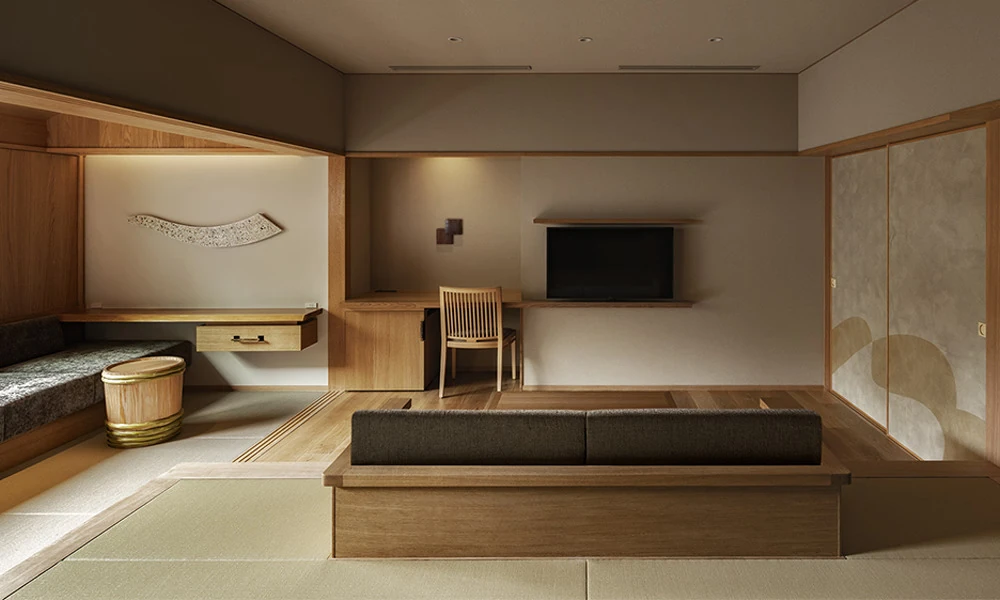
INDEX
- Introduction — Specifying Tatami for Wellness and Hospitality Spaces
- Why Tatami Belongs in the Material Conversation for Wellness and Hospitality Design
- What Designers Should Check Before Specifying Tatami Mats
- Where Tatami Mats Work Best in Design Projects
- How to Evaluate Tatami Samples Before Final Specification
- Color, Texture, and Finish Selection for Japanese-Inspired Interiors
- Pairing Tatami with Furniture, Lighting, and Natural Materials
- Maintenance and Long-Term Design Value
- FAQ: Specifying Tatami Mats for Wellness and Hospitality Spaces
- Next Steps: Samples, Project Consultation, and Custom Tatami Quotes
Introduction — Specifying Tatami for Wellness and Hospitality Spaces
In hospitality and wellness design, the floor is rarely just a surface. It shapes posture, movement, acoustics, visual balance, and the way guests intuitively understand a room. For designers working on hotels, spas, yoga studios, meditation rooms, guest lounges, ryokan-inspired suites, or Japandi residential interiors, tatami offers a distinctive material language: tactile, quiet, grounded, and deeply connected to Japanese spatial culture.
For U.S.-based designers and specifiers, however, tatami should not be treated simply as an “Asian-inspired” decorative accent. The strongest projects use it more intentionally: as a material that supports atmosphere, floor-level living, calm transitions, and a softer relationship between the body and the room.
This guide explains how to evaluate tatami mats for wellness and hospitality spaces, what to check before specification, how to think about color and texture, how to coordinate tatami with furniture and lighting, and when to contact Interra USA for material samples, custom-sized tatami quotes, or project consultation.
Why Tatami Belongs in the Material Conversation for Wellness and Hospitality Design
Tatami as more than a Japanese design motif
Tatami is often associated with traditional Japanese rooms, tea rooms, and ryokan interiors. But for contemporary design teams, its value is broader than historical reference.
Used thoughtfully, tatami can help define a zone of calm. It slows the pace of a room. It invites people to sit closer to the floor, notice texture, and experience the space through more than sight alone. In this sense, tatami is not just a cultural motif. It is a material strategy.
For hospitality and wellness projects, that distinction matters. A spa treatment lounge, meditation room, tea-inspired guest suite, or quiet residential retreat needs more than attractive finishes. It needs a coherent experience. Tatami can help create that experience by introducing softness, order, rhythm, and a grounded sense of place.
Why atmosphere matters in spas, hotels, meditation rooms, and guest lounges
Atmosphere is one of the most important design outcomes in wellness and hospitality interiors. Guests may not remember every finish on a specification sheet, but they remember how the room made them feel: calm, restored, welcomed, centered, or quietly at ease.
Tatami works well in spaces where the design intent is slow, quiet, tactile, and intentional. It pairs naturally with low furniture, indirect lighting, wood, stone, linen, paper, plaster, and restrained color palettes. It can also help designers create a visual boundary without adding walls: a tatami zone can signal that this area is for sitting, resting, reading, meditating, or gathering.
For design teams pursuing Japanese-inspired interiors, Japandi spaces, or wellness-focused concepts, tatami offers a way to make the floor part of the story rather than an afterthought.
What Designers Should Check Before Specifying Tatami Mats

Matching tatami to intended use
The first question is not “Which color looks best?” but “What will this space ask the material to do?”
A tatami area in a boutique hotel suite may need to support quiet seating, circulation around luggage, and a memorable guest experience. A spa relaxation lounge may prioritize calmness, barefoot comfort, and compatibility with soft lighting. A yoga or meditation room may need a clean, ordered surface that supports floor-oriented activities. A residential Japandi room may focus on warmth, daily comfort, and visual harmony with wood flooring or neutral textiles.
Because each use case is different, designers should evaluate tatami through the lens of how the space will actually be used: who will use it, how often, with shoes or without shoes, under what lighting, and next to which materials.
Foot traffic, shoes-off expectations, and maintenance planning
Tatami is most successful when expectations are clear. In many Japanese interiors, tatami is used as part of a shoes-off environment. For U.S. hospitality and wellness projects, designers should consider how that behavior will be communicated.
In a spa or meditation room, the shoes-off cue may already be natural. In a hotel suite or guest lounge, the design may need a clear transition: a change in floor level, a small entry zone, a material break, or subtle signage. The goal is not to over-explain, but to make the intended use intuitive.
Maintenance should also be part of early planning. Designers should consider whether food, drinks, luggage, outdoor shoes, moisture, or high-volume traffic will be present. Tatami can be a strong material choice, but like any finish, it performs best when specified for the right use and supported by the right care routine.
Standard Unit Tatami vs. custom-sized tatami
For many projects, standard Unit Tatami can be a practical way to introduce tatami without building a fully traditional room. These modular mats can be used to define zones, create floor-seating areas, or add a Japanese-inspired material layer to an existing space.
For more tailored projects, custom-sized tatami may be the better route. This can be especially relevant for built-in platforms, guest suites, tea-inspired rooms, meditation rooms, or hospitality spaces where the tatami layout needs to align with architectural dimensions.
Interra USA’s contact form includes options for product inquiries, sample requests, and quotation requests for custom-sized tatami mats. For project-based inquiries, designers should provide drawings, dimensions, finish preferences, and any relevant context about the intended use.
Where Tatami Mats Work Best in Design Projects
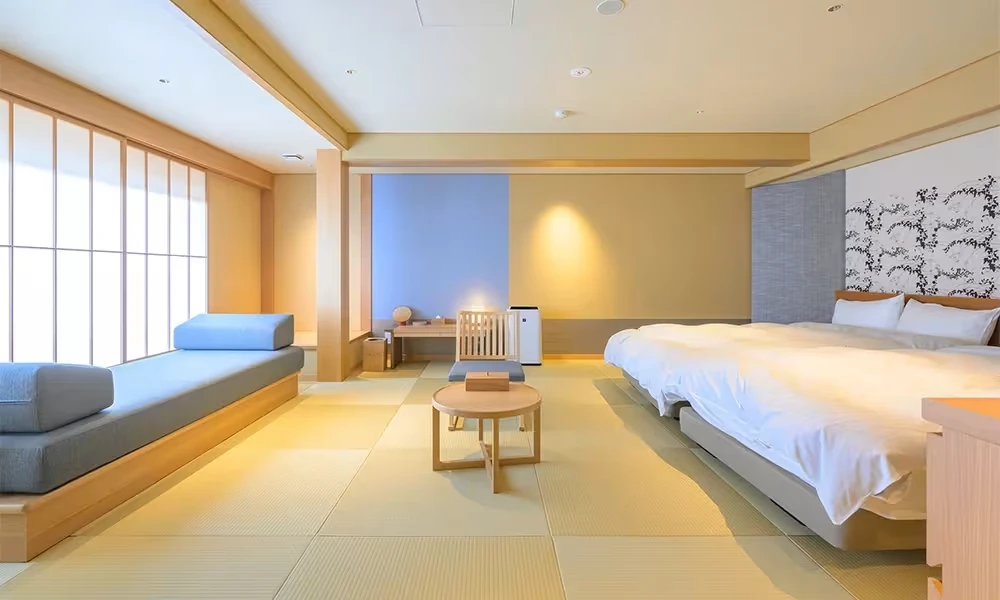
Hospitality spaces: guest lounges, suites, and ryokan-inspired concepts
Tatami can be especially effective in hospitality environments where the design concept depends on atmosphere and memory. A guest lounge with tatami can feel quieter and more intentional than a conventional seating area. A ryokan-inspired suite can use tatami to support a stronger sense of place. A boutique hotel can use tatami as a storytelling material, especially when paired with natural textures and restrained architectural details.
The key is to avoid using tatami as a surface-level theme. Instead, let it shape how the room feels and functions. Pair it with lower sightlines, simple furniture, soft transitions, and a clear sense of ritual. A tatami zone should tell guests, without too many words, that this is a place to pause.
Wellness spaces: spas, yoga studios, and meditation rooms
Wellness spaces often depend on sensory consistency. Lighting, acoustics, temperature, scent, material touch, and color all contribute to the room’s emotional effect. Tatami can support this type of design because it introduces a soft, tactile plane that feels visually calm and physically grounded.
For spas, tatami may work well in relaxation areas, tea service corners, private suites, or transition spaces. For yoga and meditation studios, it can support a floor-oriented atmosphere, especially when the design intent is quiet, minimal, and Japanese-inspired. For wellness amenities in residential or multifamily projects, tatami can help distinguish a meditation room or reading lounge from more conventional common areas.
Designers should still evaluate use intensity and maintenance requirements carefully. Tatami performs best where the way a space is used and how it will be maintained suit the material.
Residential interiors: Japandi rooms, reading corners, and tea-inspired spaces
Although this article focuses on designers and specifiers, residential projects remain a strong use case. Many U.S. homeowners are looking for interiors that feel calmer, warmer, and less cluttered. Tatami can support that goal in a reading corner, meditation room, playroom, tea-inspired room, or low-seating lounge.
For Japandi interiors, tatami works particularly well because it adds texture without visual noise. It can sit comfortably beside white oak, warm plaster, linen upholstery, paper lanterns, simple ceramics, and low-profile furniture. The result can feel quiet and intentional rather than decorative.
How to Evaluate Tatami Samples Before Final Specification
Review color under actual project lighting
Tatami color can shift depending on lighting conditions. A tone that feels soft and warm under daylight may look cooler under LED lighting or deeper under low hospitality lighting. For this reason, designers should review samples under conditions that resemble the final space as closely as possible.
For wellness and hospitality projects, this is especially important. A spa, guest lounge, or meditation room may use dimmed lighting, indirect fixtures, or warm color temperatures. A sample that looks neutral in the office may take on a different personality in the actual project environment.
When possible, place samples beside the intended wood, wall finish, textile, stone, or furniture material. This helps the design team judge not only the color itself, but the relationship between materials.
Compare texture against wood, stone, textiles, and wall finishes
Tatami is a woven surface, so texture is part of the design value. It should be evaluated on a material board the same way a designer would evaluate fabric, veneer, tile, plaster, or stone.
For quiet Japandi palettes, tatami can add depth without adding visual clutter. Against wood, it can soften the room. Against stone, it can introduce warmth. Against linen or wool, it can create a layered tactile experience. Against plaster or paper-like wall finishes, it can reinforce a calm, natural atmosphere.
The goal is to make tatami feel integrated, not applied at the end. When the color, weave, lighting, and furniture are coordinated, tatami becomes part of the architecture of the room.
Use samples to reduce risk before ordering
For designers, samples are not optional decoration. They are risk management.
A sample allows the team to evaluate color accuracy, surface feel, palette compatibility, and client response before committing to a larger order. This is especially useful for hospitality and wellness projects, where stakeholders may need to approve the look and feel before procurement.
Interra USA’s Unit Tatami collection includes Tatami Cut Sample options across several product lines, allowing designers to compare finishes before selecting the right direction for a project.
Color, Texture, and Finish Selection for Japanese-Inspired Interiors
Neutral tones for calm Japandi and wellness palettes
Neutral tatami tones are often the safest starting point for wellness spaces and Japandi interiors. Soft beige, ivory, white-brown, silver-green, and light brown families can create a quiet foundation without dominating the room.
These tones work well when the goal is calmness, flexibility, and long-term visual comfort. They are also easier to coordinate with natural wood, warm white walls, linen upholstery, and soft lighting. For a spa or meditation room, neutral tatami can help the room feel open and restorative.
Deeper tones for intimate hospitality and lounge environments
Darker and moodier tatami tones can be useful in hospitality spaces where the design intent is more intimate. Maroon, cocoa brown, walnut-like tones, dark gray, or cherry-gray can help create a lounge-like effect when paired with warm lighting and richer materials.
These deeper palettes may be especially effective in boutique hotel suites, private spa rooms, sake or tea lounges, or high-end residential spaces. The key is balance. Dark tatami can be beautiful, but it should be supported by the right lighting, wall tone, and furniture scale so that the room remains calm rather than heavy.
Pattern and weave as subtle design language
Tatami does not need a bold pattern to make an impact. Often, the weave itself is the design language.
For designers, this subtlety is an advantage. A woven tatami surface can add texture and rhythm while preserving negative space. This makes it a natural fit for Japanese-inspired interiors, where restraint, proportion, and material honesty often matter more than ornament.
When selecting a finish, consider whether the project needs a smooth, quiet impression or a more expressive woven character. The best choice is the one that supports the room’s intended atmosphere.
Pairing Tatami with Furniture, Lighting, and Natural Materials
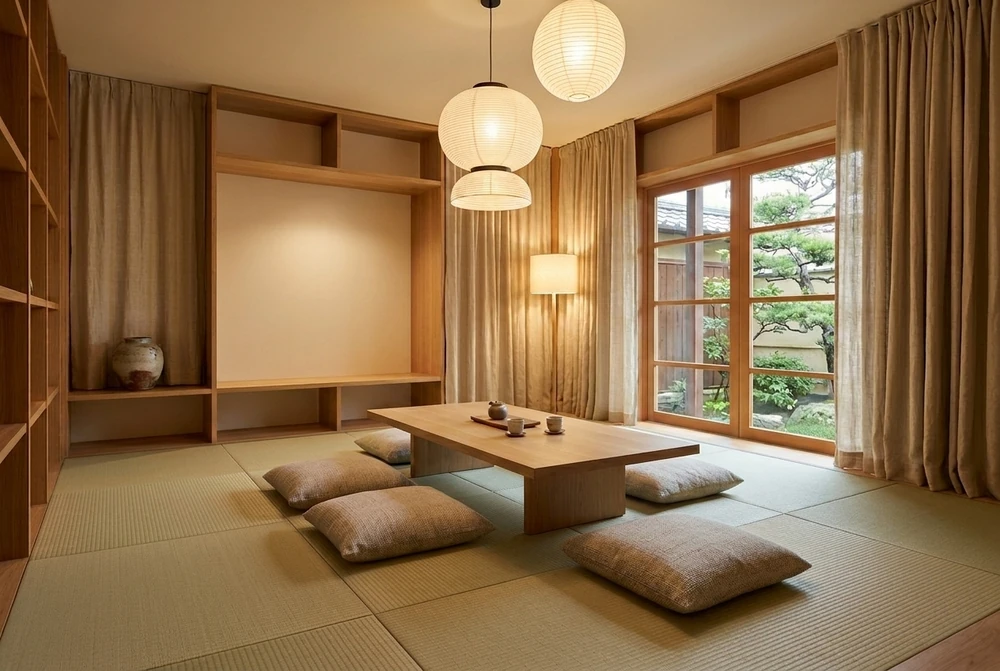
Low furniture and floor-level spatial planning
Tatami works best when the furniture strategy respects its relationship to the floor. Low tables, cushions, low lounge chairs, platform seating, simple benches, and built-in millwork can all help create a coherent floor-level experience.
In hospitality settings, this does not necessarily mean guests must sit directly on the floor. A ryokan-inspired suite, for example, can combine tatami with low seating or chair-based tea service. The important point is visual proportion. Furniture should not overpower the tatami zone or make it feel like an isolated mat placed under conventional furniture.
Lighting that enhances texture
Lighting can make or break a tatami space. Strong overhead light may flatten the texture or make the room feel too functional. Warm, indirect, and layered lighting usually works better.
Consider wall washing, concealed cove lighting, low lamps, paper lanterns, or carefully placed accent lighting that allows the woven surface to read softly. In wellness interiors, glare control is especially important. Tatami should feel like part of a calm environment, not a display surface.
Wood, stone, linen, paper, and plaster as complementary materials
Tatami pairs naturally with materials that have tactile depth and visual restraint. Wood adds warmth. Stone adds weight and stillness. Linen and wool add softness. Paper and plaster bring quiet texture. Ceramics, baskets, and simple greenery can add human scale without clutter.
For designers, the broader material palette should support the same intent as the tatami: calm, grounded, intentional, and durable enough for the project’s use. When tatami is surrounded by too many competing finishes, its quiet value can be lost. When paired with restraint, it becomes stronger.
Maintenance and Long-Term Design Value
Why modern washi-paper tatami is relevant for U.S. projects
Traditional tatami is often associated with woven rush. Interra USA’s DAIKEN tatami, however, uses Japanese washi-paper for the surface. This gives designers a modern material option that still carries the visual and tactile language of tatami.
For U.S. projects, this matters because specifiers must think beyond first impressions. They need to consider maintenance, color stability, abrasion resistance, and daily use. Modern tatami can help bridge the gap between Japanese spatial tradition and contemporary project requirements.
Setting the right expectations with clients and operators
Even when a material has strong performance characteristics, the design team should set clear expectations. Tatami should be used with thoughtful placement and a care routine appropriate to the project.
For hospitality operators, that may mean defining shoes-off areas, training staff on basic cleaning, and avoiding placements where heavy rolling luggage, wet traffic, or food-service spills are constant. For residential clients, it may mean explaining how to preserve the surface and how the tatami zone should be used.
Good specification is not only about choosing the right material. It is about matching the material to how the space will behave.
Long-term value: flexibility, atmosphere, and cultural depth
Tatami’s long-term value is not only functional. It is experiential.
A well-designed tatami area can give a project a memorable identity. It can help guests understand the mood of a room immediately. It can support wellness rituals, quiet hospitality moments, and residential routines that feel slower and more intentional.
For design teams, that mix of everyday adaptability, mood, and cultural resonance is what makes tatami worth considering. It is a material that can do more than cover the floor. It can help define the room’s purpose.
FAQ: Specifying Tatami Mats for Wellness and Hospitality Spaces
Can tatami mats be used in hospitality interiors?
Yes. Tatami mats can be considered for hospitality interiors such as guest lounges, ryokan-inspired suites, spa relaxation areas, tea rooms, and quiet seating zones. Designers should evaluate foot traffic, maintenance expectations, and whether the space can support a shoes-off or low-traffic use pattern.
Are tatami mats suitable for spa or meditation spaces?
Tatami mats can be suitable for spa, meditation, and wellness spaces when the design goal is calm, tactile, and floor-oriented. They work especially well with low furniture, soft lighting, neutral palettes, and natural materials.
Should designers order tatami samples first?
Yes. Designers should review tatami samples before final specification whenever possible. Samples help evaluate color, texture, lighting response, and compatibility with wood, stone, textiles, wall finishes, and furniture.
Can Interra USA support custom-sized tatami mat inquiries?
Yes. Our contact form includes an option for quotation requests for custom-sized tatami mats. For project inquiries, designers should provide dimensions, drawings if available, intended use, and finish preferences.
What materials pair well with tatami mats?
Tatami pairs well with wood, stone, linen, wool, paper, plaster, ceramics, low furniture, and warm indirect lighting. These materials help create a calm Japanese-inspired or Japandi atmosphere without making the space feel overly themed.
Next Steps: Samples, Project Consultation, and Custom Tatami Quotes
When to explore the Unit Tatami collection
If your project can work with standard modular tatami, start by exploring Interra USA’s Unit Tatami collection:
https://shop.interra-usa.com/collections/unit-tatami
The collection includes multiple product lines, colors, and Tatami Cut Sample options, making it a practical starting point for designers comparing finishes.
When to contact Interra USA for project support
If you are working on a hospitality, wellness, residential, or custom design project, contact Interra USA for sample requests, project consultation, or custom-sized tatami quotes:
https://interra-usa.com/contact/
For custom-sized tatami inquiries, include drawings or dimensions when possible. The more context you provide, the easier it is to support the project accurately.
Summary: Tatami as a thoughtful material for atmosphere-driven spaces
Tatami is most powerful when specified with intention. It is not only a Japanese-inspired surface, and it is not only a decorative accent. It is a tactile material that can help designers create quieter, warmer, more grounded spaces.
For wellness rooms, spas, hospitality lounges, ryokan-inspired suites, meditation spaces, and Japandi residential interiors, tatami offers a distinctive balance of atmosphere, texture, cultural depth, and practical flexibility.
If your next project calls for a material that supports calm, storytelling, and sensory experience, tatami deserves a place on the material board.
References link:
The Impact of Design Series
WELL v2 | Overview | IWBI
How to Rethink Your Space With Wellness and Relaxation in Mind | Architectural Digest
Inside the Japanese Style Room: History, Design, and Modern Practice | ArchDaily