

Embracing Tatami Mats: A Guide for U.S. Interiors
INDEX
- Introduction — Why Tatami Mats in the U.S. Are Having a Moment
- What Tatami Is (and What It Isn’t)
- Sizing & Planning — The “Tatami Unit” Mindset (Without Overthinking)
- Adapting Tatami Care for the U.S. Home
- Design Integration — Tatami for Japandi, Minimalism, and Modern Rooms
- Buying Tatami Mats in the U.S. — What to Look For (and How Interra Fits)
- Summary
Introduction — Why Tatami Mats in the U.S. Are Having a Moment
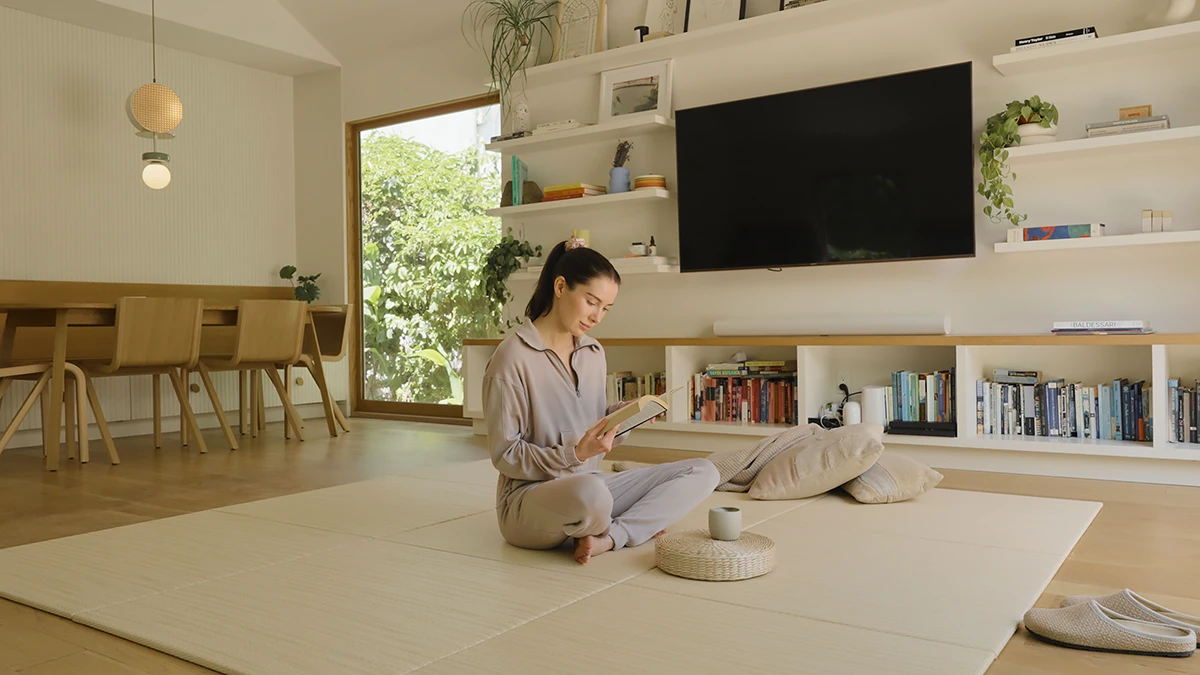
If you’ve been saving Japandi living rooms, browsing minimalist interiors, or building a small mindfulness corner at home, you’ve probably seen tatami show up in mood boards more and more. That’s not just aesthetics: tatami has a long history as Japanese flooring, and its materials and “floor-living” culture translate surprisingly well to modern American lifestyles—especially when you use unit tatami you can place on top of existing floors.
This guide is designed for U.S. homeowners who want their tatami to look authentic and function beautifully, covering everything from sizing and everyday care to Japandi-friendly styling.
What Tatami Is (and What It Isn’t)

Tatami basics: traditional Japanese flooring, crafted in layers
At its simplest, tatami is a rectangular mat used as a floor covering in Japanese houses, traditionally constructed with a thick base and a woven rush surface.
A helpful way to visualize it: a tatami mat is not just a “soft mat,” but a structured flooring element with multiple components. Web Japan explains tatami as mats “consisting of three parts,” including a middle layer and outer woven layers made from soft rush.
Why it feels different underfoot
In traditional rooms, tatami functions as flooring—firm, stable, and meant for sitting (and often sleeping) directly on the floor. Japan Experience describes tatami as “rigid board-like mats, used for the flooring of traditional rooms in Japan.”
Practical implication for U.S. homes: tatami can behave more like a structured floor zone than a plush rug. That’s exactly why it pairs well with low furniture, reading nooks, meditation setups, and children’s play areas.
Sizing & Planning — The “Tatami Unit” Mindset (Without Overthinking)
Finding the Right Fit for Your Floor
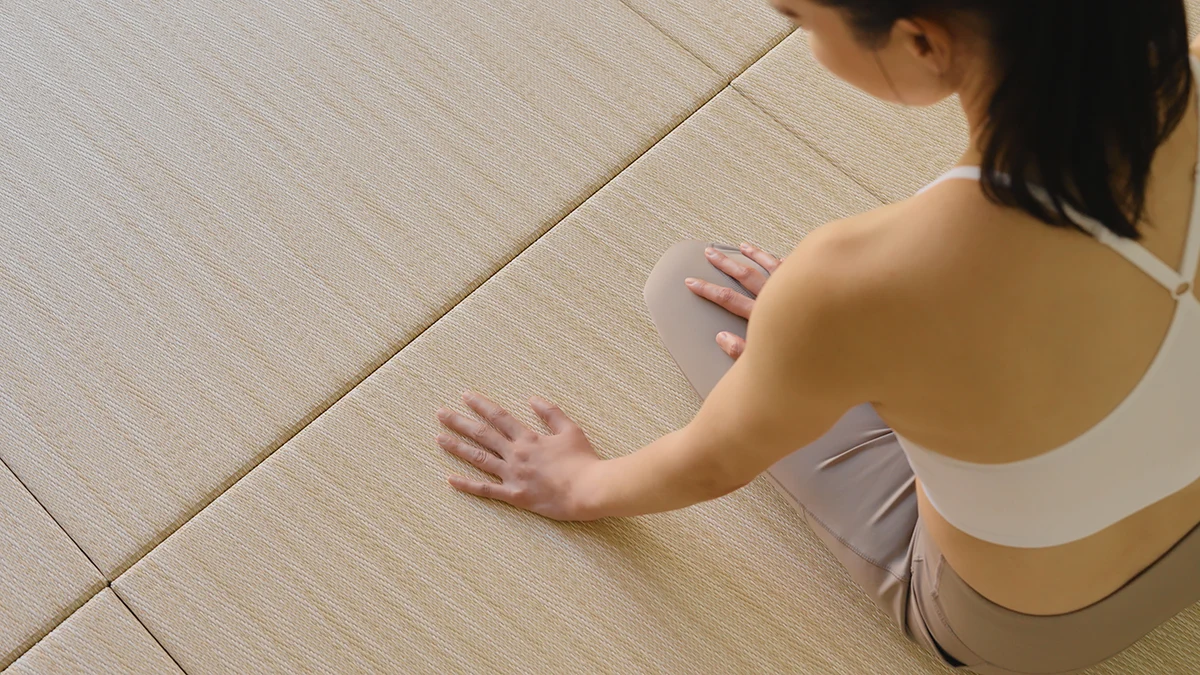
Contrary to popular belief, tatami sizes aren’t universal. In Japan, dimensions traditionally vary based on the region and the era of the home.
U.S.-friendly approach: treat tatami purchasing like buying modular flooring or an area rug set—measure your intended zone first, then choose a configuration that fits your room, not an abstract “number of mats.”
What to measure before you purchase
Use this quick checklist (designed for American interiors):
- Zone dimensions: length × width of the area you want covered (in inches/feet).
- Primary use: meditation, reading nook, floor seating, kids’ play, under a futon/floor bed, etc.
- Traffic & furniture: will you place low furniture on it? Will people walk across it daily?
- Room setup reality check: will the mats sit in a clean, dry space away from heated floors, rolling furniture, or strong direct sun?
If you’re unsure, it’s often smarter to start with a smaller zone (a “tatami rug” concept) and expand later.
Adapting Tatami Care for the U.S. Home

Shoes-off habits (and why they matter)
Tatami rooms are traditionally shoes-off spaces. Rakuten Travel notes that, in most cases, you should remove your shoes before stepping on tatami.
For U.S. households, that simple habit helps keep the surface cleaner and reduces unnecessary wear.
Smart placement before daily use
Before installation, think about how the room actually functions. We advise against placing the mats in wet or dirty areas, on heated floors or warm carpets, or in spots exposed to extreme heat or direct sunlight.
Heavy furniture, casters, and dragging objects across the surface can cause dents, scratches, or soiling. In practice, that makes unit tatami a better fit for calm, low-impact zones than for heavily trafficked, furniture-packed corners.
A simple care routine that feels realistic
The day-to-day routine is straightforward. We advise vacuuming along the grain with the vacuum cleaner’s brush rotation turned off and wiping the surface with a dry rag following the grain.
For periodic care, we recommend lightly wiping the surface with a well-wrung damp rag about once a month and avoiding steam mops, steam cleaners, and chemically treated dust cloths.
Spills and small accidents: act fast, clean gently
If you spill tea, coffee, juice, or sauce, we recommend blotting it quickly with a dry cloth rather than rubbing hard, since delays make stains harder to remove.
Design Integration — Tatami for Japandi, Minimalism, and Modern Rooms
Japandi in a nutshell
Architectural Digest defines Japandi simply: “Japandi style is a mixture of Scandinavian design and Japanese design.”
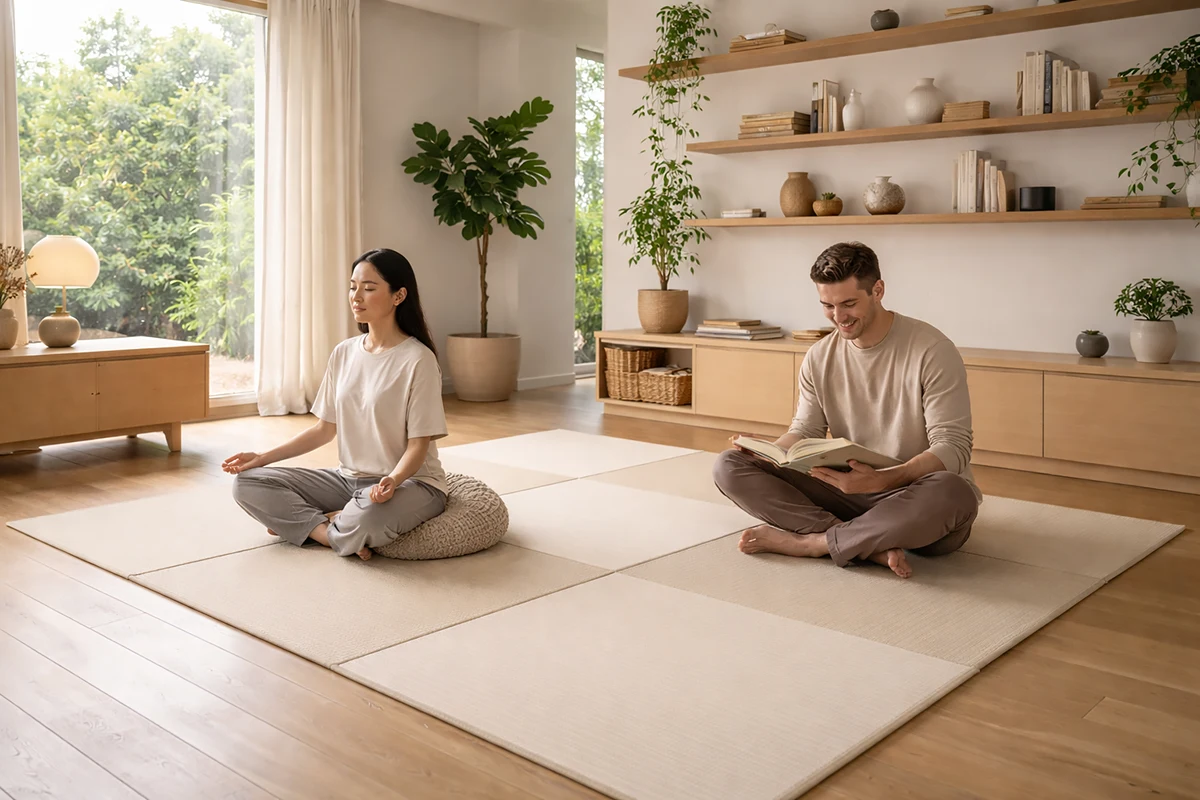
Tatami fits naturally into this aesthetic because it’s an authentic Japanese material element that also complements Scandinavian values like simplicity, natural textures, and functional comfort.
Our design recommendations: where tatami works best in American layouts
These are practical styling patterns, not rigid rules:
- The tatami-as-area-rug zone (living room / den)
- Use tatami to define a calm seating zone (think: low lounge chair, small side table, soft lighting).
- Keep surrounding materials restrained (light wood, linen, neutral ceramics) to maintain a cohesive Japandi aesthetic.
- The mindfulness corner (bedroom / spare room / office)
- Tatami can be your dedicated “floor practice” surface—meditation, stretching, journaling, breathwork.
- Keep it simple: one cushion, one low shelf, one plant.
- The floor-seating home office add-on
- If you work long hours, a small tatami zone offers a refreshing alternative to your desk chair.
- Keep a backrest cushion nearby so it doesn’t become an unused “pretty corner.”
- Kids’ play zone (quiet, easy to clean, modular)
- Interra specifically positions their unit tatami tiles as modular squares you can place like a rug with “no tools, no adhesives, and no remodeling required.”
Style adaptations that help tatami feel “intentional,” not theme-y
- Treat tatami as one strong texture statement. Pair it with quiet supporting materials.
- Avoid clutter on top of the tatami zone (Japandi rewards negative space).
- Keep a consistent “shoes-off boundary” so the zone stays visually clean.
Buying Tatami Mats in the U.S. — What to Look For (and How Interra Fits)
Traditional installed tatami vs. unit tatami
For many American homes, unit tatami is the simplest entry point because it doesn’t require remodeling.
We describe unit tatami as easy to install because you “only need to place it like a rug on the flooring,” and also note the shoes-off habit when sitting on it.
Start smart: get a tatami cut sample first
If you’re deciding between colors/textures (especially if you’re matching white oak floors, beige textiles, or darker Japandi palettes), samples reduce risk.
Interra’s Unit Tatami collection includes Tatami Cut Sample items (e.g., Honami / Sazanami / Seiryu / Saien) so that you can check the actual feel of the surface before ordering.
Summary
Tatami mats in the U.S. work best when you think in three lanes:
- Design lane (Japandi/minimalism): tatami is an authentic natural texture that pairs beautifully with restrained, functional interiors.
- Practical lane (daily life): shoes-off habits, thoughtful placement, and a gentle cleaning routine go a long way.
- Planning lane: measure your space, think through how the room will actually be used, and start with a cut sample if you want extra confidence before ordering.
Next step
- If you’re ready to choose a style, explore Interra’s Unit Tatami collection (and consider starting with a tatami cut sample). Interra is also currently offering free shipping on all tatami mats for a limited time.
- If you want help with sizing, layout, or choosing the right style for your room, reach out via Interra’s Contact form—especially if you’re trying to match a Japandi look precisely.